
8 excellent reasons to illuminate your building with dynamic architectural lighting
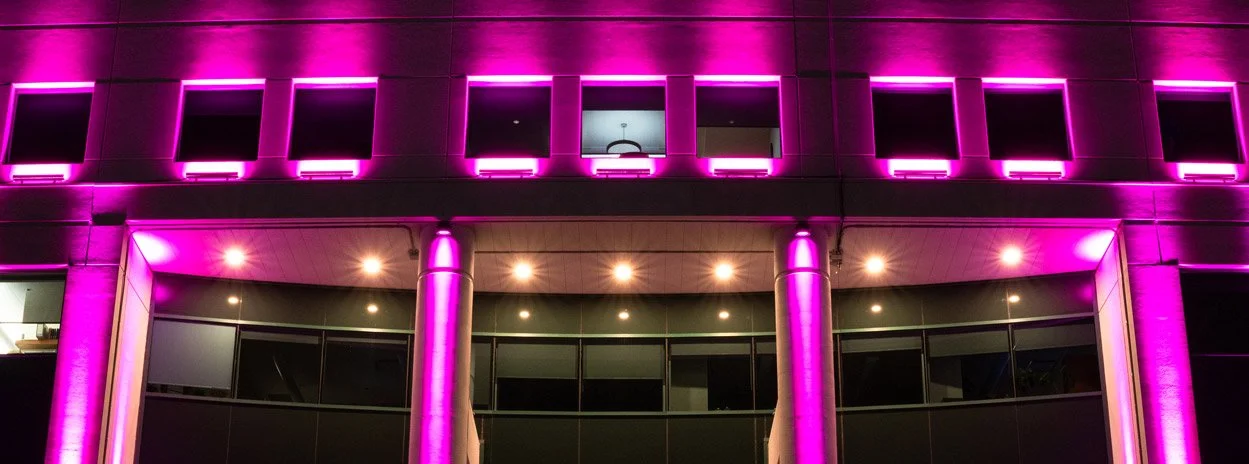
Dynamic architectural lighting asserts your identity, strengthens your appeal and enhances urban space.


When a building fades at night, it loses much more than its visibility. Too many buildings disappear visually once the sun goes down. The result? An invisible façade, a blurred identity and reduced impact on visitors, citizens or customers.
Thanks to our expertise in architectural lighting for hotels, museums, office buildings, public buildings and heritage buildings, we know that light has the power to transform a building into an iconic visual landmark. Dynamic lighting, in particular, offers incomparable flexibility and expressive power.
Here are 8 concrete reasons for integrating dynamic architectural lighting into a building:
1. Sublimating architecture and revealing details
Architectural lighting enhances the shapes, materials and textures of the façade. It adds contrast, depth and color, revealing the richness of the building even after dark.
2. Create a striking visual signature
Dynamic, eye-catching lighting gives the building a strong, memorable identity. It becomes an urban landmark, visible from afar, making a lasting impression.
3. Adapt the ambience to the context
By playing with colors, intensity and lighting effects, you can create a personalized atmosphere: warm for a hotel, solemn for a public building or festive for a shopping street. Lighting can also evolve with the seasons or events.

Above: Moncton City Hall, equipped with programmable dynamic lighting in customizable colors.
Photo credit: Iza Smith Photos
4. Reinforce brand image
Lighting becomes an extension of your visual identity. It reflects your colors, your values or your vocation, enhancing the public's awareness and perception of your building.
5. Communicate creatively and interactively
Dynamic lighting can be used to project logos, messages or motifs onto the façade, reacting to current events or highlighting a special occasion. Some installations go even further, allowing interaction with the public. Your building becomes a living medium of visual communication.
6. Attracting tourists and eyeballs
Illuminated buildings are naturally photogenic. They energize night-time tourist circuits, create "Instagrammable" moments and enrich the urban experience. Light becomes a lever for territorial visibility.
7. Facilitate orientation and improve safety
A well-lit building is easier to spot, and its facade easier to read. This reassures users, improves visitor reception and contributes to the safety of surrounding areas.
8. Combining energy efficiency and added value
Thanks to LED technologies and intelligent control systems, dynamic architectural lighting is also a sustainable solution. It offers an excellent visual impact/consumption ratio, while enhancing the building's perceived value.
Architectural lighting enhances Moncton City Hall by painting it in light. Thanks to a meticulous design, the play of light creates a unique atmosphere, emphasizing the majesty of the building. The building's façade is transformed into a luminous work of art, offering residents and visitors a captivating visual spectacle. This illumination not only adds an aesthetic dimension, but also contributes to the vibrant, modern atmosphere of the city.
Why wait? Bring your building to life, even at night.
Dynamic architectural lighting is much more than just an embellishment: it's a powerful, expressive strategic tool for asserting your identity, enhancing your appeal and enriching your urban environment.
Contact our experts today for a personalized study!
At Leblanc Illuminations, we offer a complete range of architectural spotlights (HALTO brand) and dynamic lighting accessories, enabling us to design tailor-made lighting solutions designed to add lasting value to your building.